Liver failure is a life-threatening condition that requires timely medical intervention. If medications and supportive treatments are no longer effective, a liver transplant in Delhi can offer a new chance at life. At Liver Transplant India, patients receive comprehensive liver transplant care under the expertise of Dr. A.S. Soin, one of India's leading liver transplant surgeons. From accurate diagnosis and transplant evaluation to surgery and long-term follow-up, our team is committed to delivering world-class outcomes with compassionate care.
Whether you are dealing with chronic liver disease or sudden acute liver failure, understanding when a liver transplant becomes the best treatment option can help you make informed decisions at the right time.
Understanding Liver Failure
The liver performs over 500 essential functions, including filtering toxins, producing proteins, storing nutrients, and supporting digestion. When the liver loses its ability to perform these functions, it is known as liver failure. Liver failure can occur in two forms:Acute Liver Failure
Acute liver failure develops suddenly, often within days or weeks, even in people with no previous liver disease. It is considered a medical emergency. Common causes include:- Drug-induced liver injury (especially acetaminophen overdose)
- Viral hepatitis
- Poisoning
- Autoimmune liver disease
- Rare metabolic disorders
Chronic Liver Failure
Chronic liver failure develops gradually due to long-term liver damage, usually progressing through cirrhosis before the liver eventually stops functioning. Common causes include:- Liver cirrhosis
- Hepatitis B and Hepatitis C
- Alcohol-related liver disease
- Non-Alcoholic Fatty Liver Disease (NAFLD)
- Autoimmune liver disorders
- Genetic liver diseases
What Are the Signs That Liver Failure Is Becoming Serious?
Early treatment may help slow liver damage, but advanced liver failure often presents with noticeable symptoms. Watch for:- Persistent fatigue and weakness
- Yellowing of the skin and eyes (jaundice)
- Swelling in the abdomen (ascites)
- Swollen legs and ankles
- Easy bruising or bleeding
- Confusion or memory problems (hepatic encephalopathy)
- Severe itching
- Dark urine
- Loss of appetite
- Unexplained weight loss
When Is a Liver Transplant the Best Option?
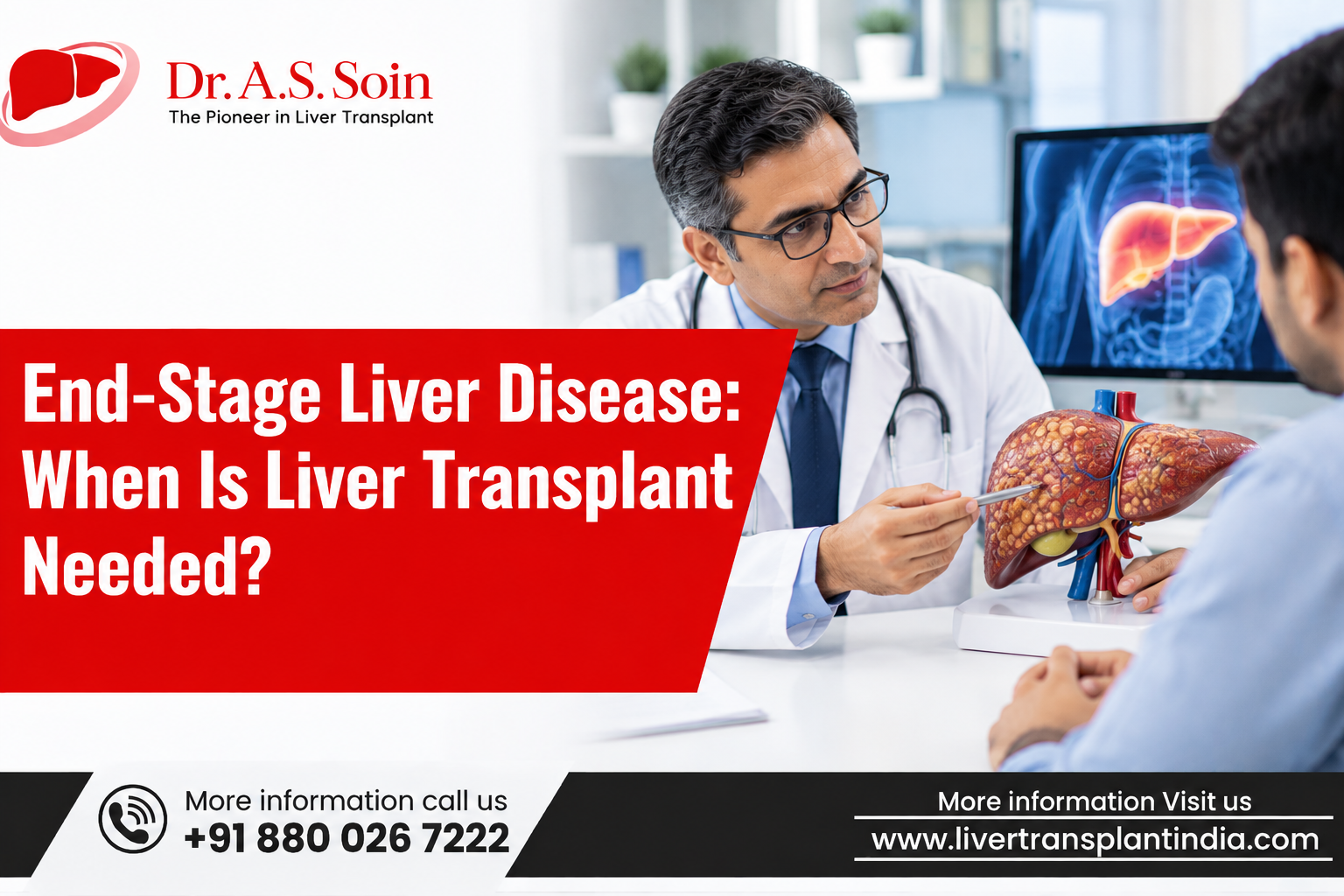
A liver transplant is recommended when the liver has suffered irreversible damage and can no longer support the body's essential functions. At this stage, medications and other treatments may only provide temporary relief. A liver transplant in Delhi is generally considered when:1. End-Stage Liver Disease
Patients with advanced cirrhosis who experience repeated complications often benefit the most from transplantation. These complications include:- Recurrent fluid accumulation
- Repeated infections
- Internal bleeding from varices
- Frequent episodes of hepatic encephalopathy
- Poor quality of life
2. Acute Liver Failure
Some patients experience sudden liver failure caused by severe infections, toxins, or medication overdose. When the liver rapidly loses function, emergency transplantation may be the only life-saving treatment.3. Liver Cancer Within Transplant Criteria
Patients diagnosed with early-stage hepatocellular carcinoma (HCC) may be suitable candidates if the cancer remains confined to the liver and meets accepted transplant criteria. A transplant removes both the tumor and the diseased liver, reducing the risk of recurrence.4. Genetic and Metabolic Liver Diseases
Certain inherited disorders permanently damage the liver or affect liver function. Examples include:- Wilson's Disease
- Primary Sclerosing Cholangitis
- Primary Biliary Cholangitis
- Alpha-1 Antitrypsin Deficiency
How Do Doctors Decide If You Need a Liver Transplant?
Not every patient with liver disease requires transplantation. At Liver Transplant India, Dr. A.S. Soin and the multidisciplinary transplant team perform a detailed evaluation that includes:- Complete medical history
- Physical examination
- Liver function tests
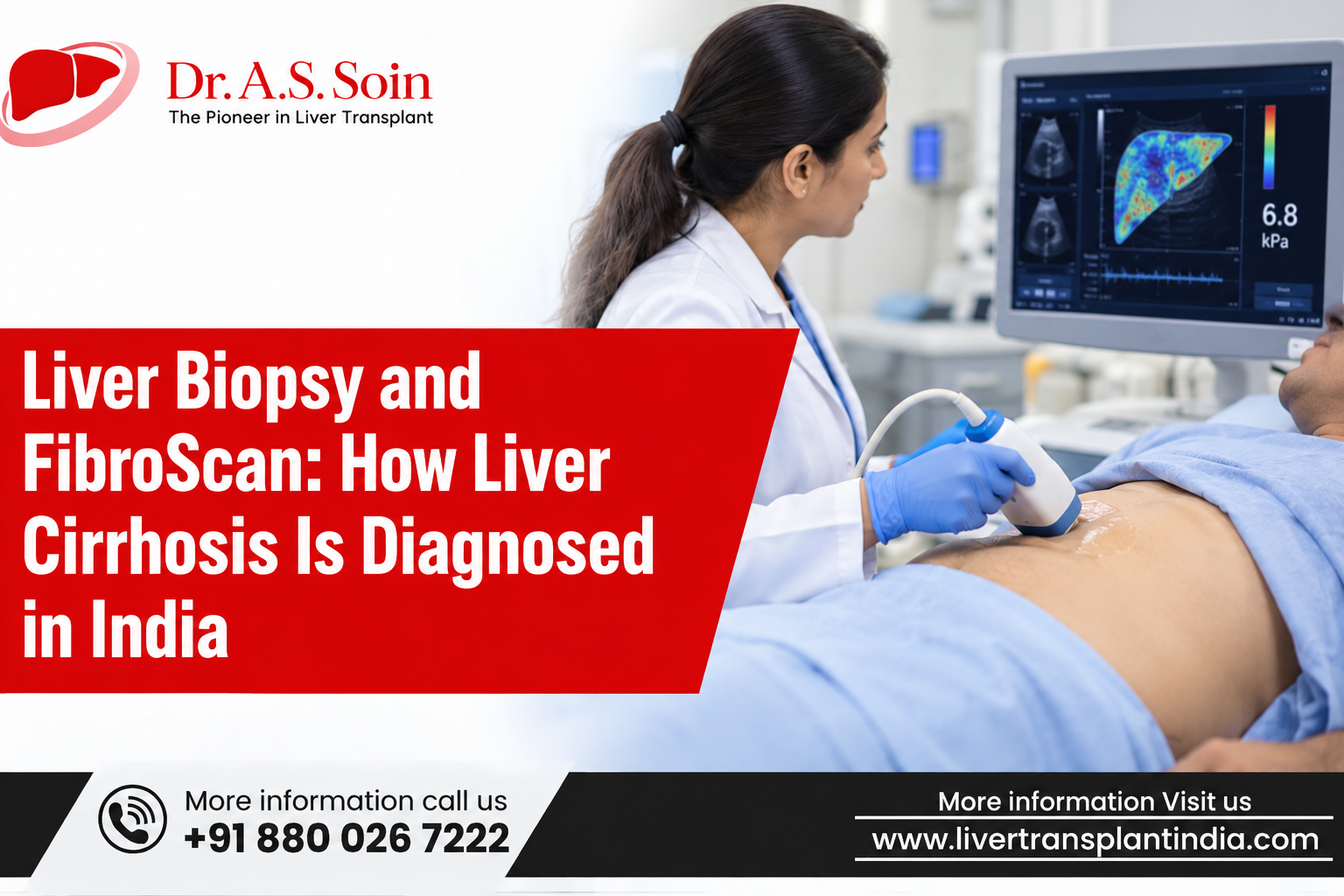
- Imaging studies (CT Scan, MRI, Ultrasound)
- MELD score assessment
- Cardiac evaluation
- Pulmonary assessment
- Kidney function tests
- Infection screening
- Nutritional assessment
- Psychological evaluation
- Whether transplantation is necessary
- Whether the patient is medically fit
- The ideal timing for surgery
- The most suitable donor option
What Is the MELD Score?
The Model for End-Stage Liver Disease (MELD) score is a standardized system used worldwide to measure the severity of liver disease. It considers:- Bilirubin levels
- INR (blood clotting ability)
- Creatinine levels
- Sodium levels (MELD-Na)
Types of Liver Transplant
Depending on the patient's condition and donor availability, different transplant options are available.Living Donor Liver Transplant
A healthy family member or compatible donor voluntarily donates a portion of their liver. Because the liver regenerates naturally, both donor and recipient can regain normal liver function over time. Advantages include:- Reduced waiting time
- Better planned surgery
- Lower risk of disease progression
- Excellent long-term outcomes
Deceased Donor Liver Transplant
The liver is donated by a brain-dead individual whose family has consented to organ donation. This option is suitable for patients without a living donor.Why Choose Liver Transplant India for Liver Transplant in Delhi?
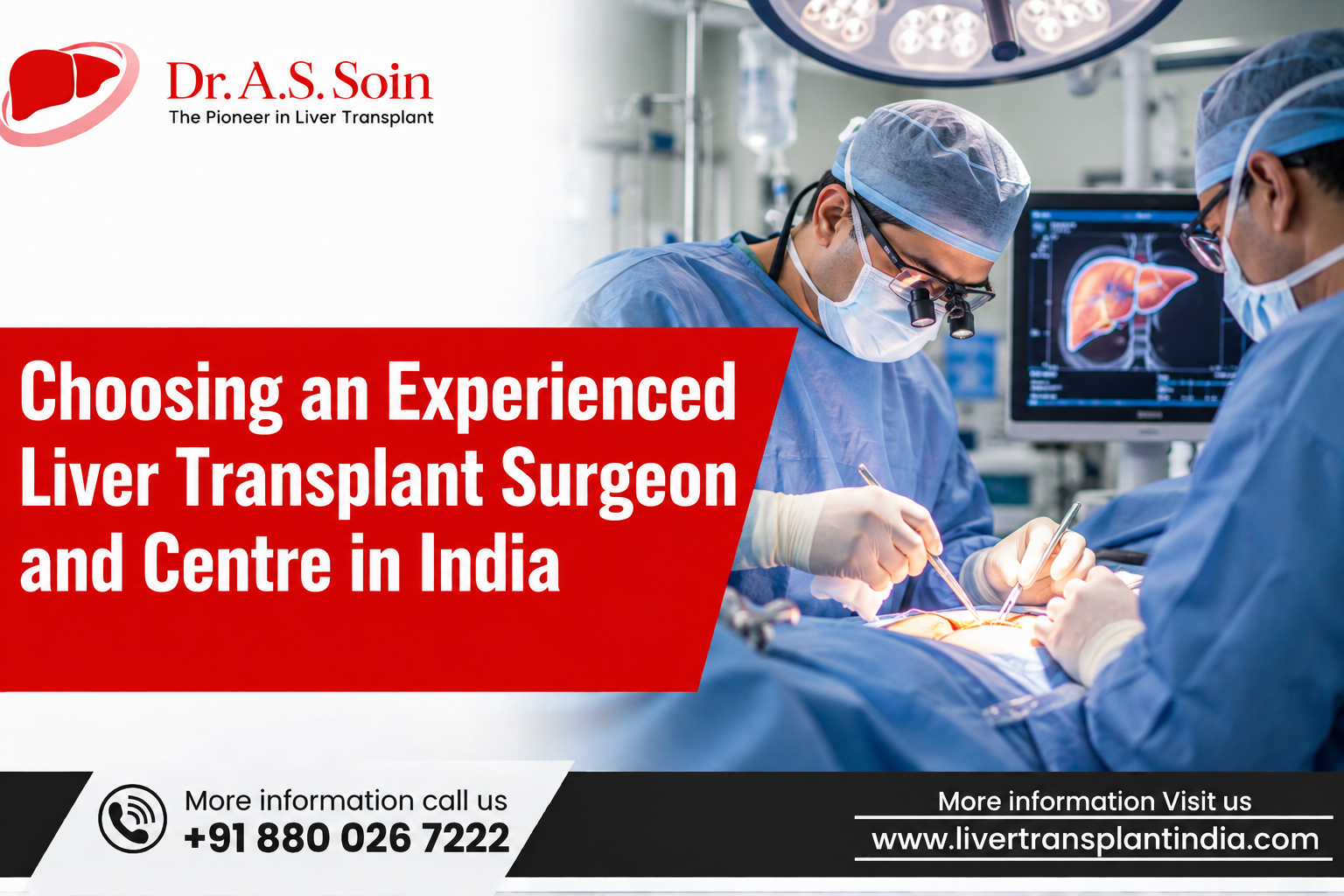
Choosing the right transplant center significantly influences treatment outcomes. Liver Transplant India offers:- Expert care led by Dr. A.S. Soin
- Advanced transplant infrastructure
- Highly experienced multidisciplinary transplant team
- Comprehensive donor evaluation
- Modern operation theatres
- Dedicated liver ICU
- Personalized post-transplant care
- Long-term follow-up and rehabilitation
- International patient support
- High standards of patient safety
What Happens Before the Liver Transplant?
Preparation plays a crucial role in achieving successful outcomes. Patients typically undergo:- Complete diagnostic evaluation
- Blood group compatibility testing
- Donor assessment
- Vaccination review
- Nutritional optimization
- Infection control
- Medication review
- Financial counselling
- Education regarding surgery and recovery
What Happens During Liver Transplant Surgery?
A liver transplant is a highly specialized surgical procedure performed under general anesthesia. The procedure involves:- Removal of the diseased liver.
- Placement of the healthy donor liver.
- Reconnection of blood vessels.
- Reconnection of the bile duct.
- Careful monitoring before transfer to the ICU.
Recovery After Liver Transplant
Recovery occurs in stages. Immediately after surgery:- Intensive Care Unit monitoring
- Pain management
- Early mobilization
- Infection prevention
- Liver function monitoring
- Regular follow-up visits
- Immunosuppressant medications
- Healthy diet
- Regular exercise
- Routine blood investigations
Can Liver Failure Be Prevented?
Although not every case can be prevented, many causes of chronic liver disease are manageable with early intervention. Healthy liver habits include:- Limiting alcohol intake
- Maintaining a healthy weight
- Managing diabetes
- Getting vaccinated against Hepatitis B
- Avoiding unnecessary medications
- Exercising regularly
- Eating a balanced diet
- Seeking timely medical care for liver-related symptoms
Why Early Consultation Matters
Many patients wait until liver disease becomes advanced before seeking specialist care. Unfortunately, delaying treatment can reduce transplant eligibility and increase complications. If you or a loved one has been diagnosed with advanced liver disease, recurrent cirrhosis complications, or acute liver failure, consulting an experienced transplant specialist early can significantly improve treatment outcomes. At Liver Transplant India, Dr. A.S. Soin provides comprehensive evaluation and personalized treatment planning to determine whether a liver transplant in Delhi is the right option for your condition. Timely intervention, expert surgical care, and structured post-transplant support can help patients regain their health and quality of life.Written and medically reviewed by Dr. A. S. Soin — published .
Frequently asked questions
If you have advanced cirrhosis, repeated liver-related complications, worsening liver function, or a high MELD score, your doctor may recommend a transplant evaluation. A comprehensive assessment is necessary to determine whether transplantation is the best option.
Success rates depend on several factors, including the patient's overall health, the cause of liver disease, surgical expertise, and post-transplant care. At experienced transplant centers like Liver Transplant India, outcomes are generally excellent with proper patient selection and long-term follow-up.
Most patients stay in the hospital for approximately two to three weeks, while full recovery usually takes three to six months. Recovery varies based on age, general health, and adherence to post-transplant care.
Yes. Many liver transplant recipients return to work, travel, exercise, and lead healthy, productive lives. Lifelong follow-up and immunosuppressive medications are essential to maintain the health of the transplanted liver.
Yes. Living donor liver transplantation is considered safe when performed at experienced transplant centers after a thorough donor evaluation. The liver has the unique ability to regenerate, allowing both the donor and recipient to recover normal liver function over time.
You should consult a transplant specialist as soon as you experience worsening liver disease, recurrent hospitalizations, persistent jaundice, ascites, hepatic encephalopathy, or if your gastroenterologist recommends a transplant evaluation. Early consultation improves the chances of successful treatment and timely transplantation.
Age alone is not the deciding factor. Overall health, fitness for surgery, liver disease severity, and associated medical conditions are carefully evaluated before determining eligibility for transplantation.