When liver damage progresses beyond the point where medicines or lifestyle changes can help, a liver transplant may become the only life-saving treatment. If you or your loved one is searching for liver cirrhosis treatment in Delhi, timely evaluation is critical because delaying treatment can lead to serious complications. At Liver Transplant India, under the expert guidance of Dr. A.S. Soin, one of India’s leading liver transplant surgeons, patients receive comprehensive diagnosis, advanced treatment, and world-class liver transplant care. Early consultation can significantly improve treatment outcomes and quality of life.
Whether your liver disease is caused by cirrhosis, hepatitis, fatty liver disease, alcohol-related damage, or another chronic liver condition, understanding when a liver transplant becomes necessary can help you make informed healthcare decisions.
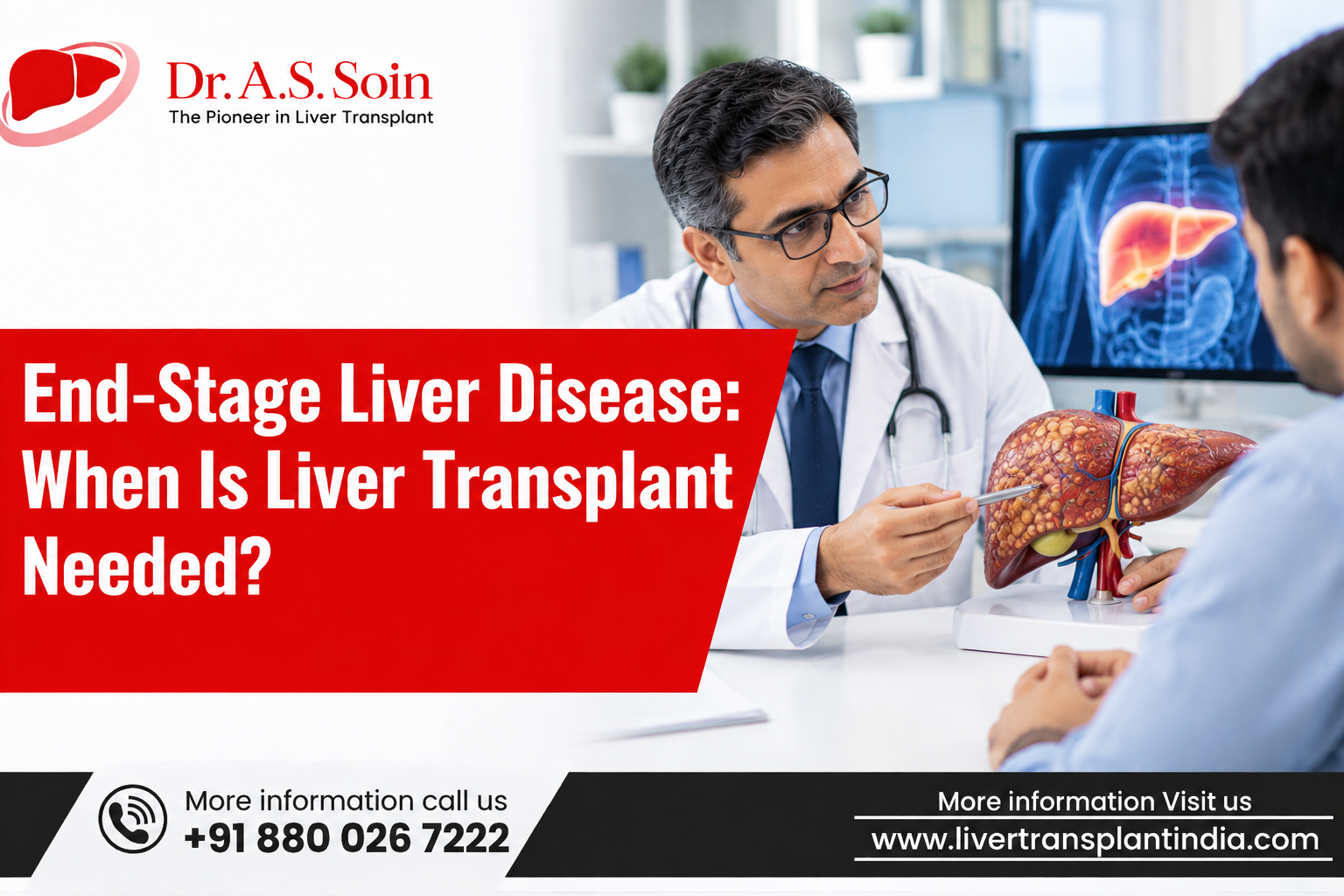
What Is End-Stage Liver Disease?
End-stage liver disease (ESLD) is the final stage of chronic liver disease where the liver loses its ability to perform essential functions such as:
- Removing toxins from the blood
- Producing proteins and clotting factors
- Processing nutrients
- Producing bile for digestion
- Regulating metabolism
At this stage, the damage is usually irreversible. Medical management may temporarily control symptoms, but it cannot restore the liver’s function. A liver transplant often becomes the only definitive treatment.
What Causes End-Stage Liver Disease?
Several chronic liver conditions can eventually progress to liver failure.
Common causes include:
- Liver cirrhosis
- Chronic Hepatitis B or Hepatitis C – see our hepatitis test guide
- Alcohol-related liver disease
- Non-Alcoholic Fatty Liver Disease (NAFLD) – learn more about fatty liver
- Autoimmune liver diseases
- Primary Biliary Cholangitis
- Primary Sclerosing Cholangitis
- Genetic liver disorders such as Wilson’s disease
- Certain metabolic disorders
Patients receiving timely liver cirrhosis treatment in Delhi can often slow disease progression before reaching end-stage liver disease.
When Is a Liver Transplant Needed?
A liver transplant is considered when the liver is permanently damaged and cannot recover despite medical treatment.
Your liver specialist may recommend transplantation if you experience:
Persistent Liver Failure
When the liver can no longer carry out its vital functions despite medications.
Decompensated Cirrhosis
Patients may develop complications such as:
- Fluid accumulation (Ascites)
- Repeated jaundice
- Bleeding from enlarged veins (Variceal bleeding)
- Hepatic encephalopathy
- Severe infections
These are signs that cirrhosis has progressed significantly.
High MELD Score
Doctors use the MELD (Model for End-Stage Liver Disease) score to determine disease severity and prioritize transplant candidates. Higher scores indicate a greater risk of liver failure.
Liver Cancer in Eligible Patients
Patients diagnosed with early-stage liver cancer (Hepatocellular Carcinoma) may qualify for liver transplantation if they meet specific medical criteria.
Poor Quality of Life
Frequent hospital admissions, persistent fatigue, recurrent infections, confusion, or inability to perform daily activities may indicate the need for transplant evaluation.
Why Early Evaluation Is Important
Many people wait until symptoms become severe before consulting a liver transplant specialist. Unfortunately, valuable time may already be lost.
Early evaluation offers several advantages:
- Better transplant planning
- Improved overall health before surgery
- Reduced risk of complications
- Higher transplant success rates
- More treatment options
At Liver Transplant India, patients undergo a detailed evaluation to determine whether a transplant is required immediately or whether medical management can still be effective.
Where Can You Get Expert Liver Cirrhosis Treatment in Delhi?
Choosing the right transplant center plays an important role in treatment success.
Liver Transplant India, led by Dr. A.S. Soin, provides comprehensive care for patients with advanced liver disease at Medanta – The Medicity. The center offers:
- Complete liver disease evaluation
- Advanced diagnostic facilities
- Medical management of cirrhosis
- Living donor liver transplant
- Deceased donor liver transplant – see liver donation
- Multidisciplinary transplant care
- Long-term post-transplant follow-up
With decades of experience in liver transplantation, the team focuses on delivering safe, personalized, and evidence-based treatment for every patient.
How Is End-Stage Liver Disease Diagnosed?
Diagnosis involves a combination of clinical assessment, laboratory tests, and imaging studies.
Doctors may recommend:
- Liver Function Tests (LFTs)
- Kidney function tests
- Coagulation profile
- Viral hepatitis screening
- Ultrasound
- CT Scan
- MRI
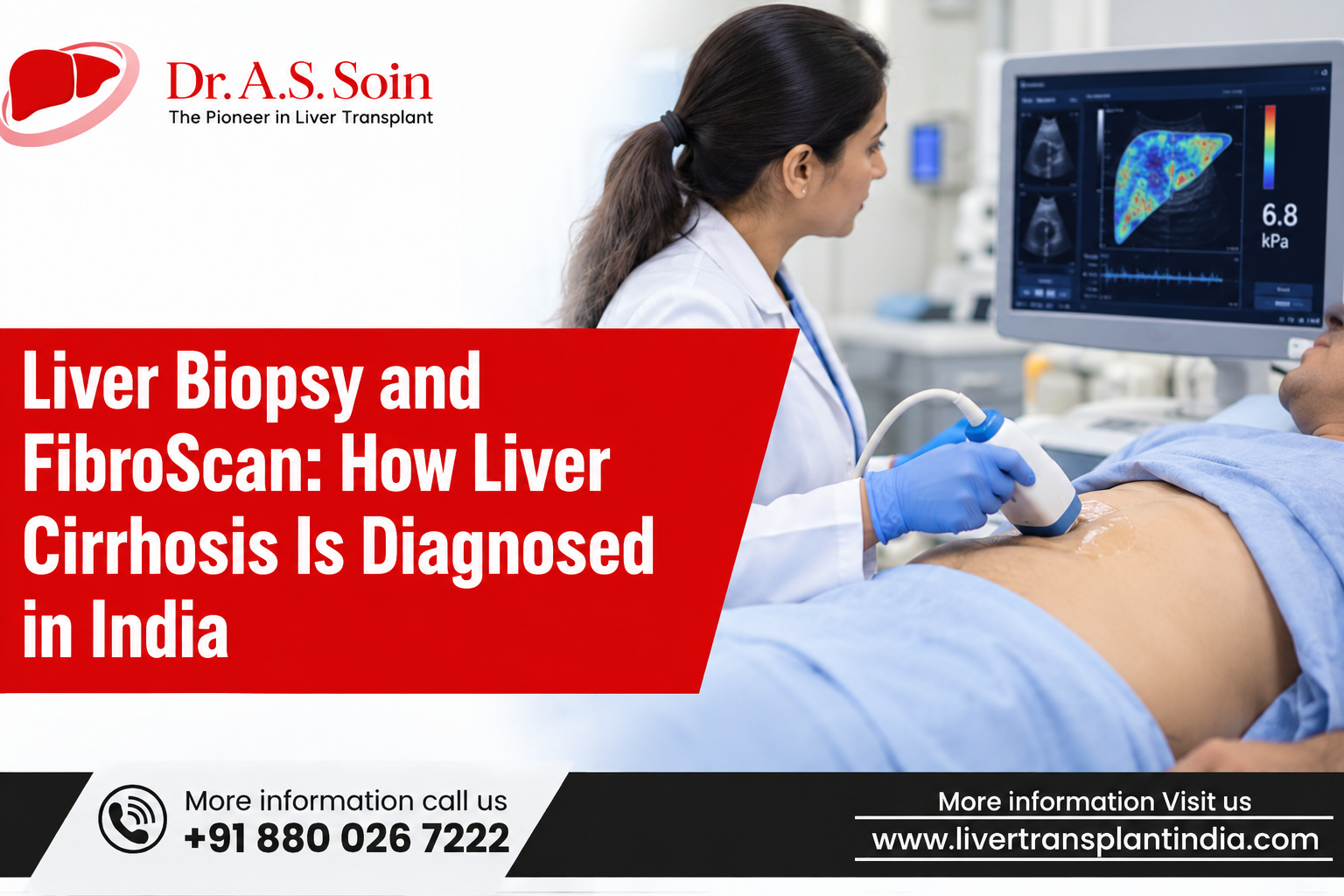
- FibroScan
- Endoscopy
- Liver biopsy (in selected cases) – see also our bilirubin test guide
These investigations help determine the severity of liver damage and whether transplantation is the most suitable treatment option.
How Does the Liver Transplant Process Work?
Understanding the transplant journey helps patients prepare mentally and physically.
Step 1: Initial Consultation
The liver specialist reviews your symptoms, reports, and medical history.
Step 2: Comprehensive Evaluation
Multiple specialists assess heart function, lung health, kidney function, nutritional status, and overall fitness for surgery.
Step 3: Donor Assessment
Depending on availability, patients may undergo:
- Living donor liver transplant
- Deceased donor liver transplant
Step 4: Liver Transplant Surgery
The diseased liver is removed and replaced with a healthy donor liver. Learn more about the liver transplant operation.
Step 5: Recovery and Follow-Up
Patients receive immunosuppressive medications, regular monitoring, dietary guidance (see our liver diet recommendations), and long-term follow-up to ensure successful recovery.
Can End-Stage Liver Disease Be Prevented?
Not every patient with liver disease will require a transplant.
The risk can often be reduced by:
- Managing hepatitis early
- Avoiding excessive alcohol consumption
- Maintaining a healthy weight
- Controlling diabetes
- Regular liver health check-ups
- Following prescribed medications
- Seeking treatment for liver cirrhosis at the earliest stage
Early intervention remains the most effective strategy for preventing irreversible liver damage.
Why Choose Liver Transplant India?
When dealing with advanced liver disease, choosing an experienced transplant team can make a significant difference.
At Liver Transplant India, patients benefit from:
- Expertise of Dr. A.S. Soin, one of India’s most experienced liver transplant surgeons
- Comprehensive liver disease management
- Advanced transplant technology
- Personalized treatment plans
- High standards of patient safety
- Dedicated pre- and post-transplant care
- Support for both domestic and international patients
Whether you require medical management or advanced liver cirrhosis treatment in Delhi, the team focuses on delivering compassionate, evidence-based care tailored to your condition.
Conclusion
End-stage liver disease is a serious condition, but it does not always mean there is no hope. Advances in liver transplantation have helped thousands of patients regain their health and enjoy a better quality of life. The key is recognizing the warning signs early and seeking expert evaluation before complications become life-threatening.
If you or someone you know has been diagnosed with liver cirrhosis or chronic liver disease, consult Dr. A.S. Soin at Liver Transplant India to understand the most appropriate treatment options. Early diagnosis, timely intervention, and expert care can make all the difference.
Written and medically reviewed by Dr. A. S. Soin — published .