Hepatitis B remains a major global health challenge, affecting an estimated 254 million people worldwide. Often called a “silent” infection, it can quietly damage the liver for years before symptoms appear. However, with advances in screening, vaccination, and treatment, the outlook for those with Hepatitis B has never been better.
What is Hepatitis B?
Hepatitis B is a viral infection caused by the Hepatitis B virus (HBV), primarily targeting the liver. The infection can be acute (short-term) or chronic (lasting more than six months). Chronic Hepatitis B is especially concerning, as it can lead to cirrhosis, liver failure, or liver cancer (hepatocellular carcinoma) if left untreated. Key Fact: Most adults clear acute Hepatitis B infection naturally, but up to 90% of infants infected at birth develop chronic infection.How is Hepatitis B Transmitted?
HBV is not spread by casual contact (e.g., hugging, sharing food). Transmission requires direct exposure to infected blood or body fluids. The most common routes include:- Mother-to-child transmission at birth (the leading cause in Asia and Africa)
- Unprotected sexual contact with an infected person
- Sharing needles/syringes (IV drug use, unsafe medical practices)
- Unsafe blood transfusions (now rare due to screening)
- Household contact (sharing razors, toothbrushes, or contact with open wounds—rare but possible)
Symptoms: Why Hepatitis B is Called a “Silent” Disease
Many people with Hepatitis B never experience symptoms, especially in the early or chronic stages. When symptoms do occur, they may include:Acute Hepatitis B (1–4 months after exposure)
- Fever
- Fatigue
- Nausea, vomiting
- Abdominal pain (especially upper right side)
- Dark urine, pale stools
- Joint pain
- Jaundice (yellowing of skin/eyes)
Chronic Hepatitis B
Often asymptomatic for years. As liver damage progresses:- Persistent fatigue
- Loss of appetite
- Mild abdominal pain
- Jaundice
- Swelling in legs/abdomen (ascites)
- Confusion (in advanced liver disease)
How is Hepatitis B Diagnosed?
Diagnosis is straightforward with blood tests:- HBsAg (surface antigen): Indicates current infection
- Anti-HBs: Indicates immunity (from past infection or vaccination)
- HBV DNA: Measures viral activity
- Liver function tests (LFTs): Assess liver health
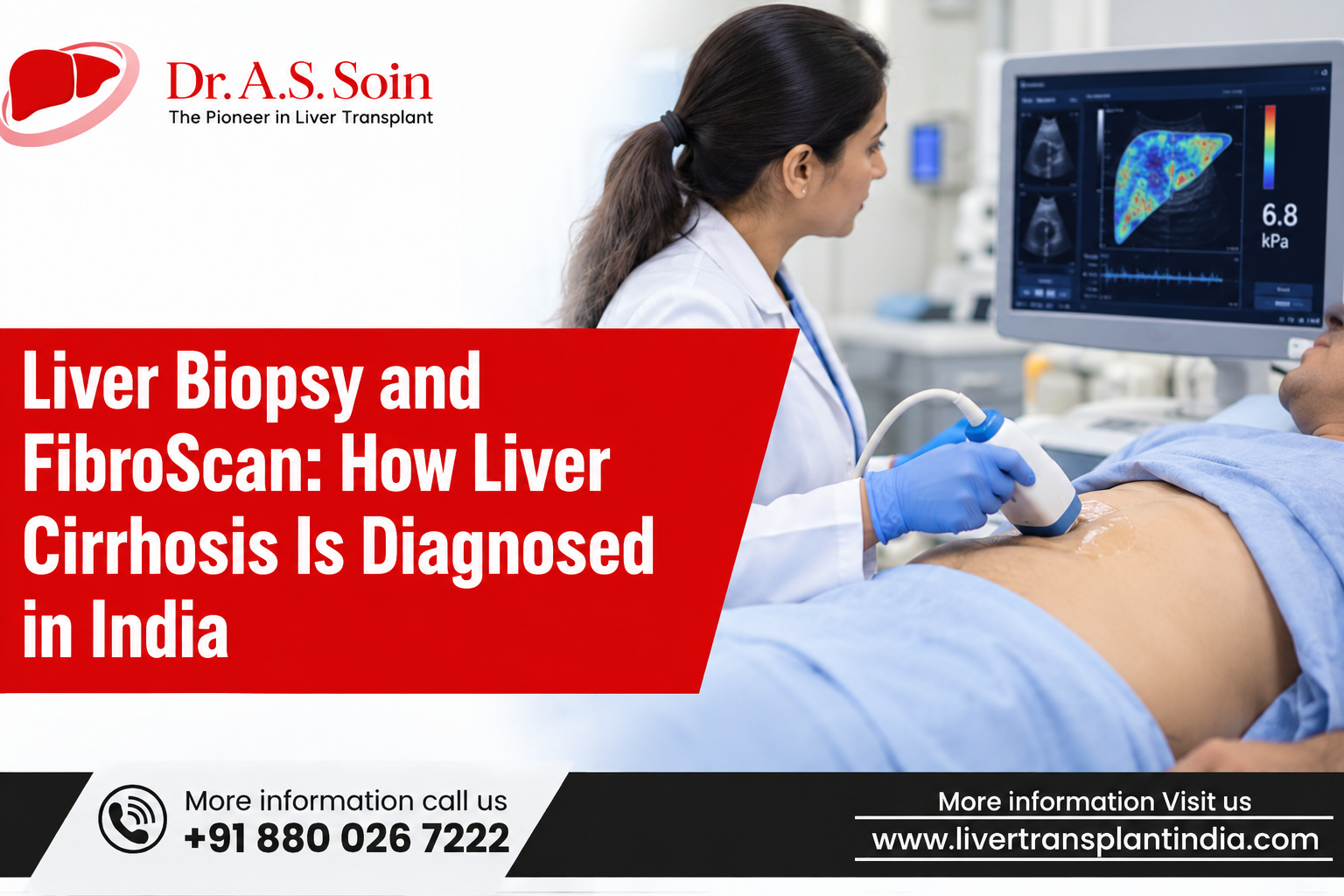
- Imaging (Ultrasound, FibroScan): Detects liver scarring or stiffness
Is Hepatitis B Curable?
Acute Hepatitis B
- Most adults clear the virus naturally and develop lifelong immunity.
Chronic Hepatitis B
- Current treatments do not “cure” chronic Hepatitis B in most cases, but they can suppress the virus to undetectable levels, prevent liver damage, and dramatically reduce the risk of cirrhosis and liver cancer.
- Functional cure (loss of HBsAg): Achieved in a small percentage with long-term therapy or interferon, but not reliably for all.
Treatment of Chronic Hepatitis B
Treatment is individualized, based on viral load, liver enzyme levels, age, and risk factors.1. Antiviral Medications
- First-line: Tenofovir (TDF/TAF), Entecavir
- Taken daily, often long-term
- Highly effective at suppressing HBV and preventing liver damage
- Well-tolerated and safe for most patients
2. Pegylated Interferon
- Weekly injections for 6–12 months
- Can induce HBsAg loss in some, but with more side effects
- Not suitable for advanced liver disease or all patients
3. Monitoring (No Immediate Treatment)
- For patients with low viral load and healthy liver
- Regular blood tests and imaging every 6–12 months
4. Liver-Healthy Lifestyle
- No alcohol
- Maintain a healthy weight
- Control diabetes, cholesterol, and blood pressure
- Vaccinate against Hepatitis A
- Avoid unnecessary medications and supplements
Complications of Untreated Hepatitis B
Without treatment and monitoring, chronic Hepatitis B can lead to:- Cirrhosis (permanent liver scarring)
- Liver cancer (HCC)
- Liver failure
Prevention: The Power of Vaccination
The Hepatitis B vaccine is safe, effective (>95%), and part of the universal immunization schedulein India and worldwide. It is given in 3 doses, starting at birth. Other preventive measures:- Practice safe sex
- Do not share needles, razors, or toothbrushes
- Ensure blood products are screened
- Wear gloves when handling blood or open wounds
Key Takeaways
-
- Hepatitis B is preventable and manageable.
- Early detection and expert care can prevent severe liver complications.
- Vaccination is the best protection—if you’re not vaccinated, it’s never too late.
- With proper treatment, most people with chronic Hepatitis B can live long, healthy lives.
When to See a Liver Specialist
If you have risk factors, abnormal liver tests, or a family history of liver disease, consult a hepatologist for screening and guidance. In India, world-class expertise with Dr Arvinder Soin is available at Medanta The Medicity, Gurugram.Written and medically reviewed by Dr. A. S. Soin — published .