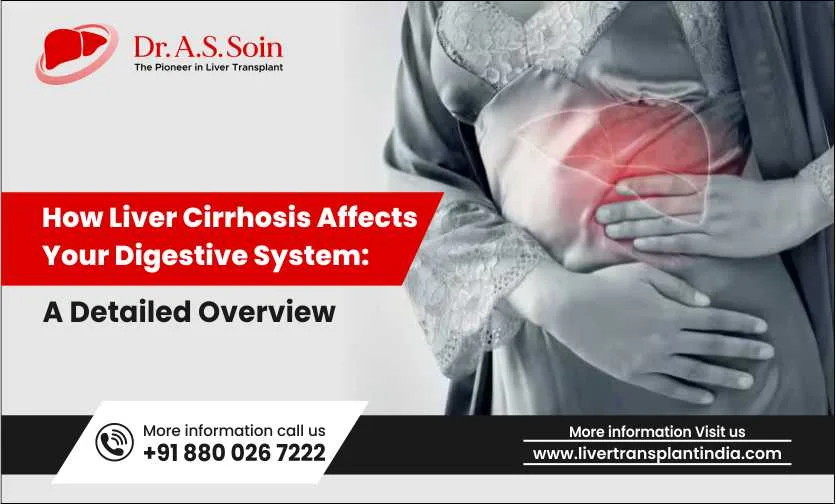
We all look forward to enjoying our meals—be it a comforting bowl of dal-chawal or a spicy chole bhature. But when the liver starts to fail, those same dishes can feel like a burden. Living with liver cirrhosis means dealing with changes in how your body processes food, absorbs nutrients, and handles waste. Understanding the impact of cirrhosis on digestion helps patients and families manage symptoms better and make healthy choices about diet and lifestyle.
What is Liver Cirrhosis?
Let’s start with the basics. Liver cirrhosis is a condition where healthy liver tissue is slowly replaced by scar tissue. This scarring blocks the flow of blood through the liver and hampers its ability to function properly. The liver loses its ability to regenerate and becomes stiff and damaged over time Some common causes of cirrhosis in India include:- Long-term alcohol use
- Hepatitis B and C infections
- Non-alcoholic fatty liver disease (NAFLD)
- Autoimmune liver disease
- Prolonged use of certain medicines without monitoring
Why is the Liver Important for Digestion?
Most people think digestion starts and ends in the stomach and intestines. But here’s what’s not so commonly known—the liver is a silent worker in this process. It produces bile, a yellowish-green fluid that helps break down fats. Bile is stored in the gallbladder and released into the small intestine when needed. Apart from producing bile, the liver also:- Converts nutrients from food into usable forms
- Stores energy (in the form of glycogen)
- Regulates sugar and fat metabolism
- Breaks down medicines and toxins
- Maintains balance of amino acids and proteins
Impact of Cirrhosis on Digestion
When you have liver cirrhosis, several key changes occur:-
Reduced Bile Production
- Loose, greasy stools that float
- Bloating after eating oily food
- Unpleasant indigestion
- Lack of absorption of fat-soluble vitamins (A, D, E, K)
-
Malabsorption and Nutrient Deficiencies
- Proteins are not broken down properly
- Carbohydrates are not stored efficiently
- Vitamins and minerals are poorly absorbed
-
Portal Hypertension and Its Digestive Effects
- Blood tries to find other routes, creating swollen veins (varices) in the stomach and esophagus.
- These varices can rupture, causing internal bleeding—an emergency situation.
- The stomach lining may become swollen and inflamed, leading to poor digestion and discomfort.
- Vomiting blood
- Black, tarry stools
- Abdominal pain
- Fullness after small meals
-
Slowed Metabolism and Toxin Build-Up
- Confusion
- Forgetfulness
- Mood changes
- Difficulty concentrating
-
Ascites and Abdominal Discomfort
- A visibly swollen belly
- Constant feeling of fullness
- Poor appetite
- Digestive discomfort
-
Changes in Bowel Movements
- Diarrhoea, due to poor fat absorption
- Constipation, from reduced bile flow
- Pale or clay-coloured stools
- Bad-smelling stools due to undigested food
Common Digestive Symptoms Seen in Liver Cirrhosis Patients
The symptoms of cirrhosis affecting the gut may develop gradually. Watch for:- Nausea, especially after meals
- Indigestion
- Heartburn or acidity
- Feeling bloated
- Flatulence (gas)
- Unexplained weight loss
- Fatigue after eating
How Cirrhosis-Related Digestion Issues Affect Daily Life
A patient with cirrhosis of liver doesn't just suffer physically. There’s a mental and emotional toll too. Imagine not being able to eat your favourite dishes, feeling constantly tired, and worrying about complications like internal bleeding or malnutrition. Social gatherings become uncomfortable. Appetite disappears. Mood swings become common. Family members too often feel helpless, watching their loved ones go through this. But understanding the link between the liver and digestion is the first step in managing the situation better.Dietary and Lifestyle Measures
While medical treatments are essential, real improvements often come from daily habits. Here are practical steps:Follow a Balanced Diet
Eating the right foods plays a big role in managing liver cirrhosis:- Moderate Protein Intake: Choose lean meats, eggs, dairy, and legumes. Too much protein can worsen encephalopathy (confusion from toxin build-up), but too little leads to muscle loss.
- Healthy Fats: Include nuts, seeds, and oily fish in small amounts to compensate for reduced bile production.
- Complex Carbohydrates: Whole grains, fruits, and vegetables provide steady energy and fibre.
- Low-Salt Diet: Salt increases water retention and can worsen ascites. Always check food labels and reduce processed foods.
- Avoid Raw Seafood: Raw fish can carry bacteria harmful to someone with poor liver function. Always eat well-cooked meals.
Eat Small, Frequent Meals
Large meals can overwhelm a weakened digestive system. Eating five to six small meals a day can reduce bloating and maintain energy levels.Avoid Alcohol and Toxins
Protecting your liver means steering clear of substances that can accelerate damage or interfere with its ability to function properly.- Alcohol: Even small amounts can speed up liver damage. Complete abstinence is vital.
- Over-The-Counter Medications: Avoid NSAIDs (like ibuprofen) and certain herbal products that may harm the liver. Always check with your doctor before taking new medicines.
Supplement Carefully
Since digestion and absorption are poor, supplements for vitamins A, D, E, and K may be necessary. But never take them without medical supervision.Drink Clean, Filtered Water
Cirrhosis can lower immunity. Any infection from unclean water can get serious fast.Gentle Exercise
Light activities—walking, yoga, or swimming—can help maintain muscle mass and appetite. Discuss with your doctor what level of activity is safe for you.Medical Treatments to Support Digestion
Beyond diet and lifestyle, several medical approaches can ease digestive symptoms:- Diuretics: Reduce fluid build-up in the abdomen and legs.
- Beta-Blockers: Lower blood pressure in the portal vein, reducing the risk of variceal bleeding.
- Endoscopic Therapy: Variceal ligation or banding can tie off enlarged veins to prevent life-threatening bleeds.
- Antibiotics: Prevent or treat infections like SBP when fluid collects in the abdomen.
- Lactulose and Rifaximin: Help remove toxins that build up and cause confusion, indirectly improving appetite and digestion.
When to Consider Liver Transplant
If liver function continues to decline despite all measures, a transplant may become the only long-term solution. Signs that you may need evaluation for transplant include:- Repeated episodes of fluid build-up despite diuretics
- Frequent variceal bleeding
- Severe malnutrition and muscle wasting
- Persistent confusion or encephalopathy
Living with Cirrhosis: Practical Tips
Living with liver cirrhosis comes with its challenges, but small adjustments can make daily life easier and improve overall well-being.- Stay in Touch with Your Medical Team: Regular check-ups catch problems early.
- Keep a Food and Symptom Diary: Note which foods trigger discomfort.
- Join a Support Group: Sharing experiences with others can give you emotional strength.
- Plan Ahead: If you travel, carry a letter from your doctor explaining your condition and medications.
- Mind Your Mental Health: Anxiety and depression are common. Seek professional help when needed.
Conclusion
The connection between liver health and digestion is not always obvious, but it’s very real. Cirrhosis of liver does not just damage the organ—it throws your entire digestive system off track. It affects the way your body handles food, absorbs nutrients, and even how you feel after eating. Understanding the impact of cirrhosis on digestion can help patients and families take better care, avoid complications, and focus on a diet and lifestyle that support both the liver and the gut. If you or a loved one is facing advanced cirrhosis or considering a transplant, you deserve the best care. For expert consultation and world-class treatment, reach out to Dr. A.S. Soin, the best liver transplant surgeon. His experience and compassionate approach can help you navigate this journey with confidence and hope. Take the first step today—schedule an appointment with Dr. A.S. Soin and give your liver the care it deserves.Written and medically reviewed by Dr. A. S. Soin — published .