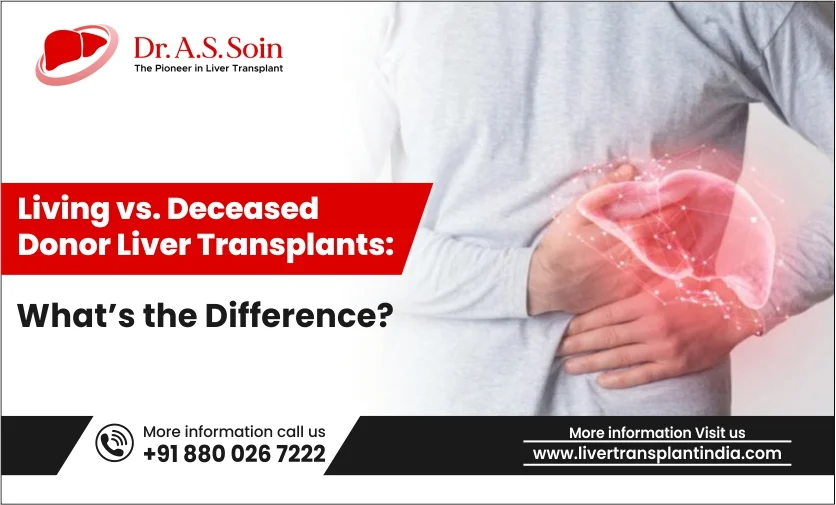
For individuals with chronic liver disease or severe liver failure, liver transplants are a critical therapy. In this procedure, a healthy liver from a donor is used to replace a damaged or diseased liver. The liver is essential for producing vital proteins, aiding in digestion, and detoxifying harmful chemicals. When the liver fails, a transplant can be life-saving, allowing patients to live longer and healthier lives.
This article will discuss the two primary types of liver transplants: living donor and deceased donor transplants. Understanding the differences and benefits of each option can help you make an informed decision if you or a loved one is considering a transplant.
What Is a Liver Transplant?
A liver transplant is a surgical procedure where a damaged or diseased liver is replaced with a healthy liver from a donor. This intricate surgery involves removing the patient's failing liver and replacing it with a new one. The new liver, whether from a living or deceased donor, resumes critical functions like producing proteins, aiding digestion, and detoxifying the blood. The operation, typically performed in a specialized surgical center, requires a multidisciplinary team, including surgeons, anesthesiologists, and nurses.Reasons for Needing Transplants
Liver transplants are often needed due to conditions like hepatitis B or C, fatty liver disease, and cirrhosis, which gradually damage the liver over time, compromising its ability to function. Sudden liver damage or severe infections can also cause rapid liver failure, creating an urgent need for a transplant. When the liver can no longer perform its essential functions, replacing it with a healthy one can prevent life-threatening complications and improve the patient's quality of life.What Is a Living Donor Transplant?
In a living donor liver transplant, a healthy individual donates a portion of their liver to a recipient. The liver's unique ability to regenerate allows both the donor and recipient's livers to return to full size and function within months. This procedure offers the advantage of avoiding the long waiting list for a deceased donor liver and enables a transplant to occur more quickly.Benefits of Living Donor Transplants
One of the most significant benefits of living donor transplants is the reduced wait time. Since the surgery can be scheduled in advance, patients can avoid the prolonged uncertainties and potential health deterioration associated with waiting for a deceased donor liver. Additionally, the quality of liver from living donors are evaluated in detail and are often in better condition, which may lead to better outcomes for the recipient. The ability to plan the procedure also reduces the stress and urgency typically associated with deceased donor transplants, leading to a more controlled and successful process.Risks and Considerations
While living donor liver transplants offer many advantages, they also come with risks. Donating a portion of the liver involves major surgery. With experienced centres, in immediate post operative phase carries risks such as bleeding, bile leak, collection, infection and there are negligible long-term health issues for the donor as far as the donor surgery is concerned. A thorough evaluation is necessary to ensure the donor is healthy enough to undergo the procedure safely. For the recipient, there are risks of surgical complications and liver rejection, which require careful management of the immune system to prevent. Both the donor and recipient may also face psychological and emotional challenges, which should be addressed through counseling and support.What Is a Deceased Donor Transplant?
A deceased donor liver transplant involves receiving a liver from a donor who is brain dead and the immediate family has consented to donate their organs. After the donor is declared brain-dead, their liver and other viable organs are retrieved for transplantation. In case of outstation or out of the hospital organ harvesting, the organs may need to be transported to the receiving hospital where the transplant is to be performed. The success of this process depends heavily on precise coordination to ensure the liver transplantation is done as soon as possible to minimise cold preservation time for the best possible outcome.Benefits of Deceased Donor Transplants
One of the primary advantages of deceased donor transplants is that there is no risk to a living donor, eliminating the ethical and practical concerns associated with live donations. Deceased donor livers are often in good condition, particularly if the donor was healthy prior to death, which can result in favorable outcomes for the recipient. Additionally, the larger pool of potential donors increases the likelihood of finding a suitable match, which is particularly important for patients with rare blood types or specific medical conditions.Challenges and Limitations
Despite being a crucial option for many patients, deceased donor liver transplants come with their own set of challenges. The most significant is the waiting period, as the demand for liver transplants often exceeds the supply of viable organs. This can result in long wait times, during which a patient’s condition may worsen. There are also logistical challenges in transporting and preserving the liver, as it must be kept at a specific temperature and handled carefully to maintain its viability. Additionally, even with a well-matched donor, there is a risk of the recipient's body rejecting the transplanted liver.Comparing Key Differences Between Living vs. Deceased Donor Liver Transplants
- Waiting Periods
- Surgical Risks
- Outcomes
- Factors Affecting the Choice
Conclusion
Understanding the differences between living and deceased donor liver transplants is crucial when considering your options. Living donor transplants offer reduced waiting periods and can be scheduled in advance, but they come with risks to the donor. Deceased donor transplants eliminate these concerns but may involve longer wait times and potential challenges with organ preservation. Each type of transplant has its advantages and disadvantages, and the decision will depend on various factors, including medical suitability and personal preferences. For those seeking expert guidance on liver transplants, including personalized advice and care, consider consulting Dr. A.S. Soin's team at Liver Transplant India. With extensive experience and a commitment to patient care, they can guide you confidently through your liver transplant journey. Contact Liver Transplant India today to discuss your needs and take the first step toward better health.Written and medically reviewed by Dr. A. S. Soin — published .