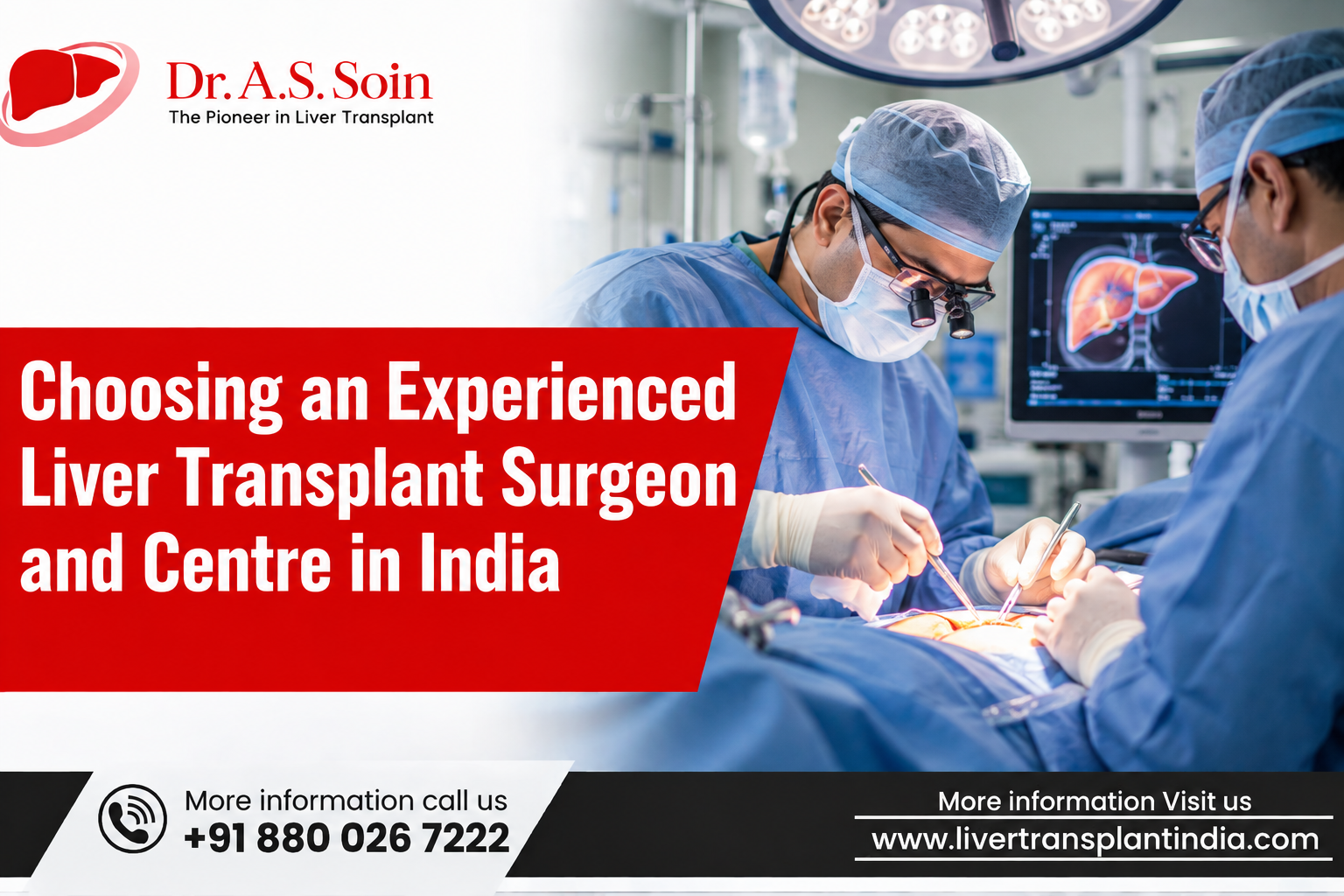
When people talk about a liver transplant surgeon they imagine only one moment. The surgery. The long hours inside the operating room. The technical difficulty. The complexity of connecting blood vessels and bile ducts.
But successful recovery after a liver transplant is not decided only by how well the surgeon operates.
It is decided by: how the best liver transplant surgeon in Delhi thinks before surgery. How the surgeon guides the team during complications. How the surgeon continues to remain clinically involved - long after the wound has healed.
This blog looks at the real role of a liver transplant surgeon in successful recovery, not from a procedural angle, but from a clinical and operational perspective that is rarely discussed openly.
A Transplant Surgeon Does Not Only Replace A Liver
They manage uncertainty. Every liver transplant patient comes with multiple unknowns:- How fragile the patient actually is
- How well the donor liver will tolerate stress
- How hidden infections may behave after surgery
- How the body will respond to immunosuppression
Recovery Begins Before The Patient Enters The Hospital
One of the least visible roles of the best liver transplant surgeon in Delhi is in deciding when not to operate. Timing is one of the strongest predictors of recovery. Operating too late increases:- Infection risk
- Kidney failure
- Prolonged ventilator requirement
- Delayed wound healing
- Unnecessary surgical risk
- Long waiting periods for immunosuppression
- Psychological and financial stress
Surgical Assessment Is Broader Than Scans
Imaging shows anatomy. It does not show:- How fragile tissue planes are
- How inflamed the abdomen has become
- How severe adhesions are after previous procedures
- How malnourished muscles and soft tissue are
- Physical condition
- Nutritional appearance
- Previous surgical history
- Pattern of complications
The Recovery Plan Is Designed Before Surgery
Many people assume recovery planning starts after the operation. In transplant practice, recovery planning starts during preoperative assessment. The best liver transplant surgeon in Delhi works with:- Anaesthesia
- Intensive care
- Nutrition
- Physiotherapy
- Infectious disease specialists
- Ventilation needs
- ICU duration
- Need for dialysis support
- Mobility limitations
- Risk of wound problems
The Surgeon’s Influence During Donor Selection
Not all donor livers behave the same. Even when they meet the acceptance criteria. The best liver transplant surgeon in Delhi evaluates:- Donor age
- Fat content in the liver
- Previous donor illness
- Stability before retrieval
- Preservation quality
Intraoperative Judgement Shapes Postoperative Stability
Recovery begins while surgery is still ongoing. Decisions such as:- How aggressively to control bleeding
- When to transfuse
- How to handle fragile vessels
- How to construct bile duct connections
- How to position drains
- Postoperative infection risk
- Need for re-exploration
- Bile leaks
- Vascular complications
A Key But Invisible Role: Knowing When To Stop
Long surgeries increase: metabolic stress, infection risk, and bleeding complications In complex cases - the best liver transplant surgeons in Delhi sometimes modify planned reconstructions or staging strategies. They may choose:- Temporary solutions
- Delayed reconstruction
- Conservative tissue handling
Early Postoperative Involvement Is Critical
After surgery, the best liver transplant surgeon in Delhi does not step away. They continuously evaluate:- Drain outputs
- Wound condition
- Abdominal distension
- Subtle signs of bleeding
- Early bile leaks
Surgeons Guide Complication Management Strategy
Complications occur even in well-performed transplants. What matters is how quickly they are recognised and how appropriately they are managed. The best liver transplant surgeon in Delhi decides:- Whether a problem requires re-operation
- Whether radiological intervention is safer
- Whether observation is acceptable
The Surgeon’s Role In Protecting The Graft
The best liver transplant surgeon in Delhi actively monitors:- Blood flow through the hepatic artery and the portal vein
- Bile duct patency
- Graft swelling
- Intra-abdominal pressure
Communication With Intensive Care Teams Shapes Outcomes
The best liver transplant surgeons in Delhi communicate daily with intensivists. They clarify:- Acceptable blood pressure targets
- Fluid strategies
- Anticoagulation timing
- Nutrition initiation
- Mobilisation plans
Surgeons Influence Immunosuppression Strategies
While hepatologists often lead immunosuppression planning, the best liver transplant surgeons in Delhi contribute important context. They advise on:- Infection risk from operative findings
- Bile duct handling
- Tissue quality
- Vascular complexity
The Surgeon’s Role In Patient Confidence And Cooperation
Patients often see the best liver transplant surgeon in Delhi as the anchor of their transplant journey. Clear communication from the surgeon regarding:- Recovery expectations
- Activity restrictions
- Wound care
- Warning symptoms
Rehabilitation Begins With Surgical Permission
Physiotherapists depend on surgical input regarding:- Wound stability
- Drain management
- Hernia risk
- Vascular access safety
The Surgeon Continues To Manage Structural Complications Long After Discharge
Some transplant-related problems appear weeks or months later:- Bile duct strictures
- Incisional hernias
- Abdominal collections
- Vascular narrowing
A Rarely Discussed Responsibility: Risk Counselling
Surgeons discuss difficult topics:- Graft failure risk
- Re-transplant possibility
- Mortality risk
- Long-term complications
The Surgeon As Part Of A Shared Leadership Model
In modern transplant programs, the best liver surgeon in Delhi is not a solo decision-maker. They share leadership with hepatologists and intensivists. However, the surgeon remains the final authority for:- Operative risk judgement
- Re-exploration decisions
- Graft salvage strategies
Why Technical Excellence Alone Does Not Guarantee Good Recovery
Two surgeons may perform equally precise operations. But recovery differs based on:- How complications are anticipated
- How postoperative plans are structured
- How communication flows
- How early problems are acted upon
The Pressure Of Knowing When Not To Intervene
Surgeons are trained to fix problems. But in transplant recovery - restraint is equally important. Some issues improve with: time, supportive care, and careful monitoring. Unnecessary surgery increases: infection, adhesions, and prolonged weakness. The best liver surgeon in Delhi must distinguish - between urgent and tolerable problems. This skill develops over the years.Conclusion
Successful recovery after a liver transplant is never created in the operating room alone. It is created through continuous surgical involvement, careful judgement, and coordinated leadership across the entire transplant pathway. A skilled and the best liver transplant surgeon in Delhi not only replaces a liver. They protect the recovery that follows.Written and medically reviewed by Dr. A. S. Soin — published .